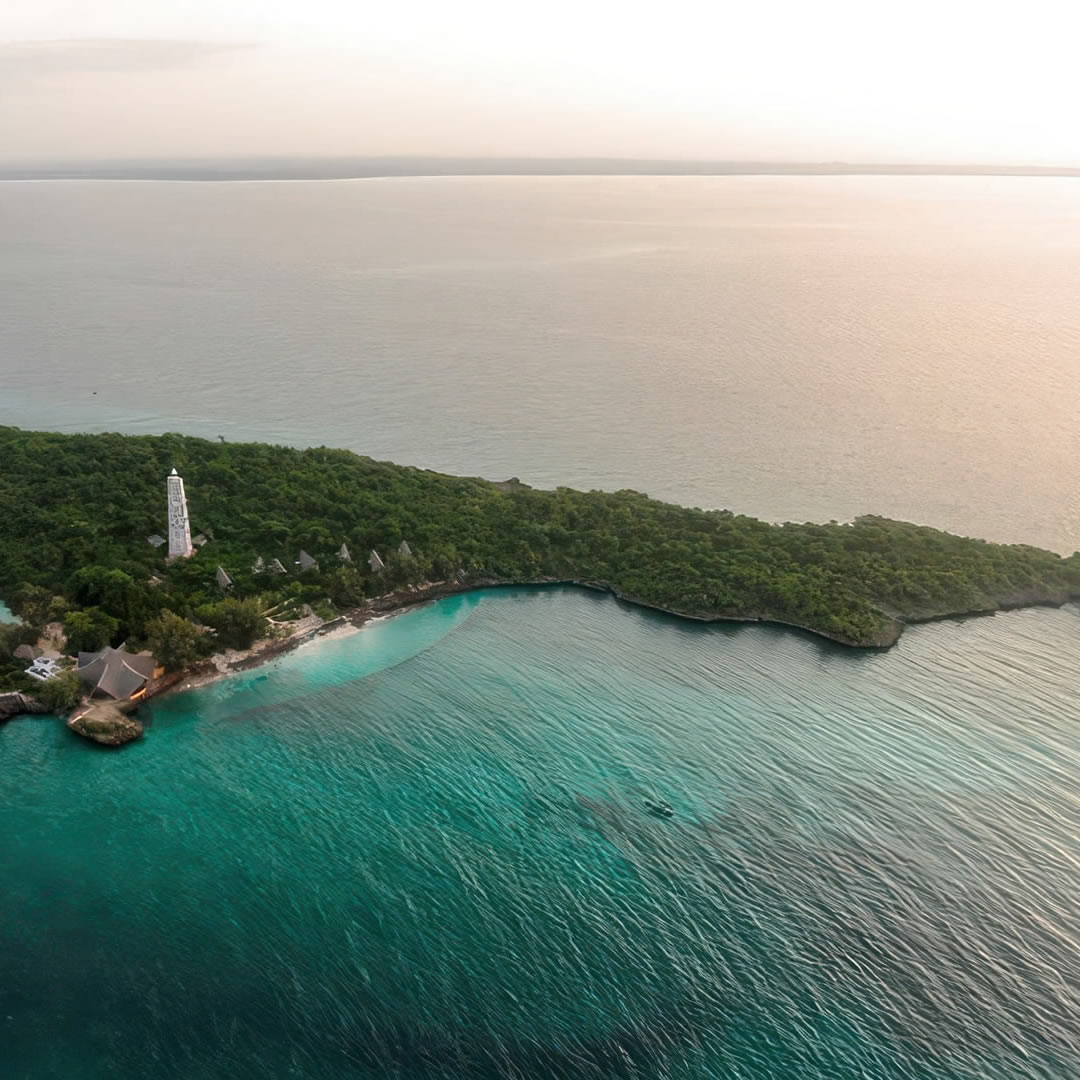
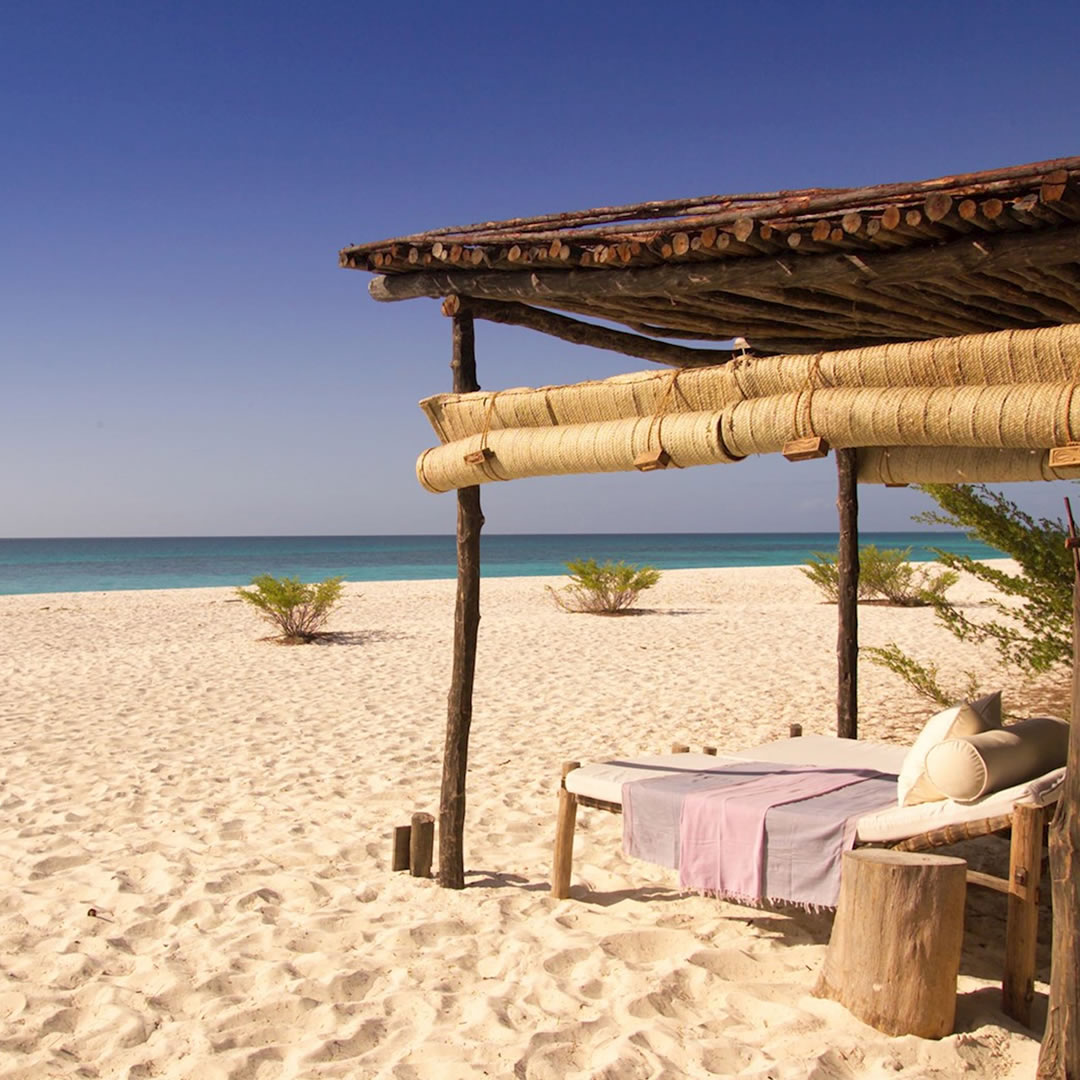
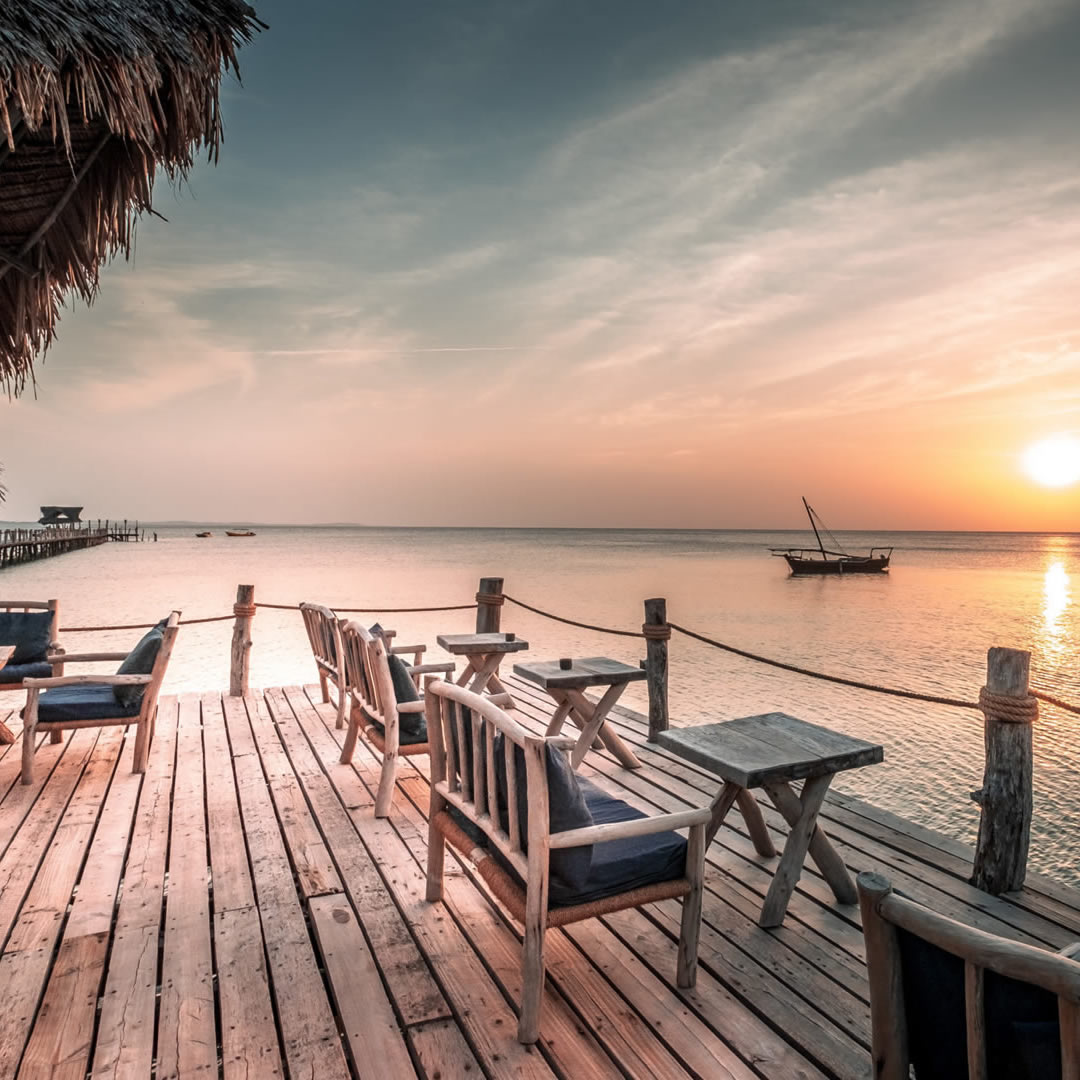
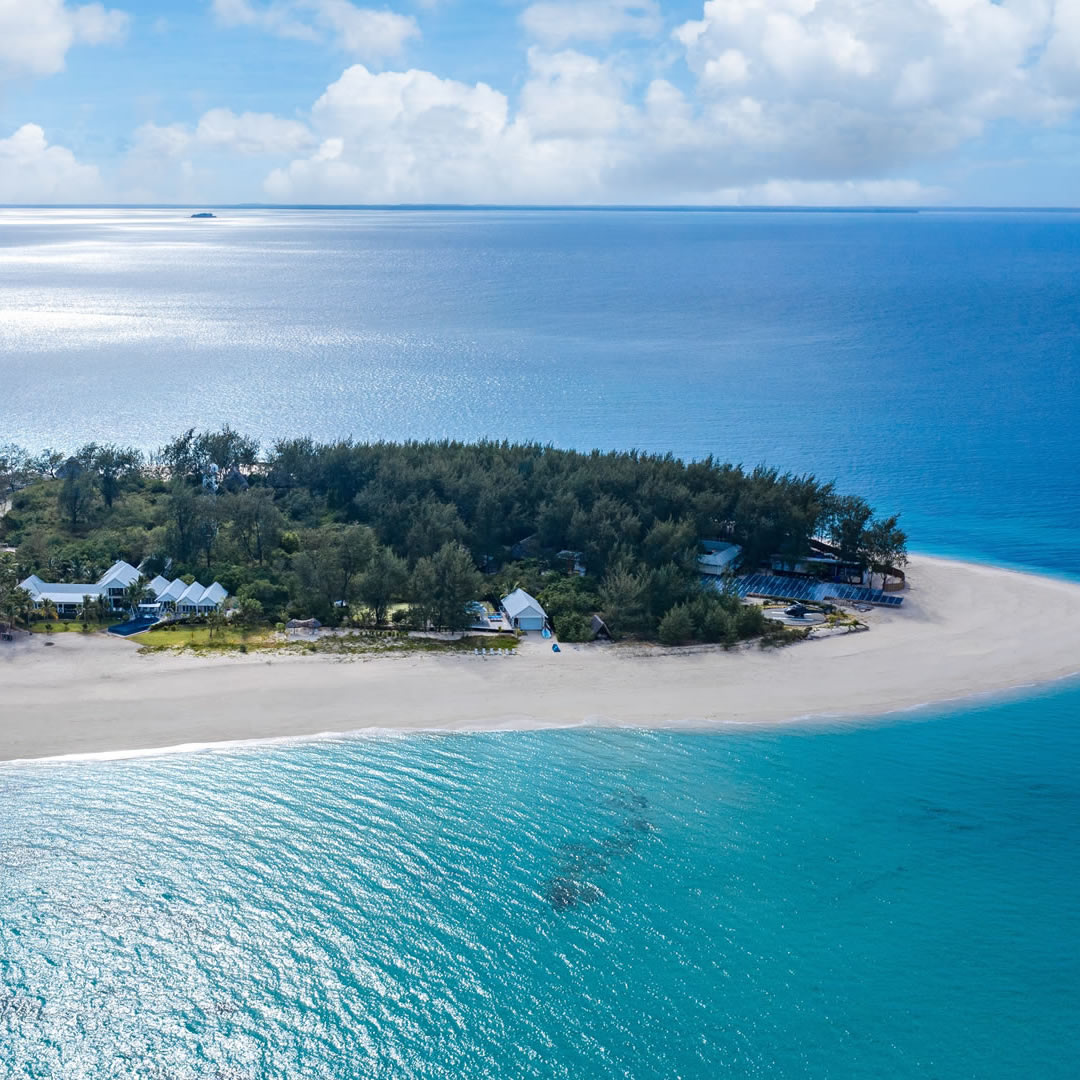
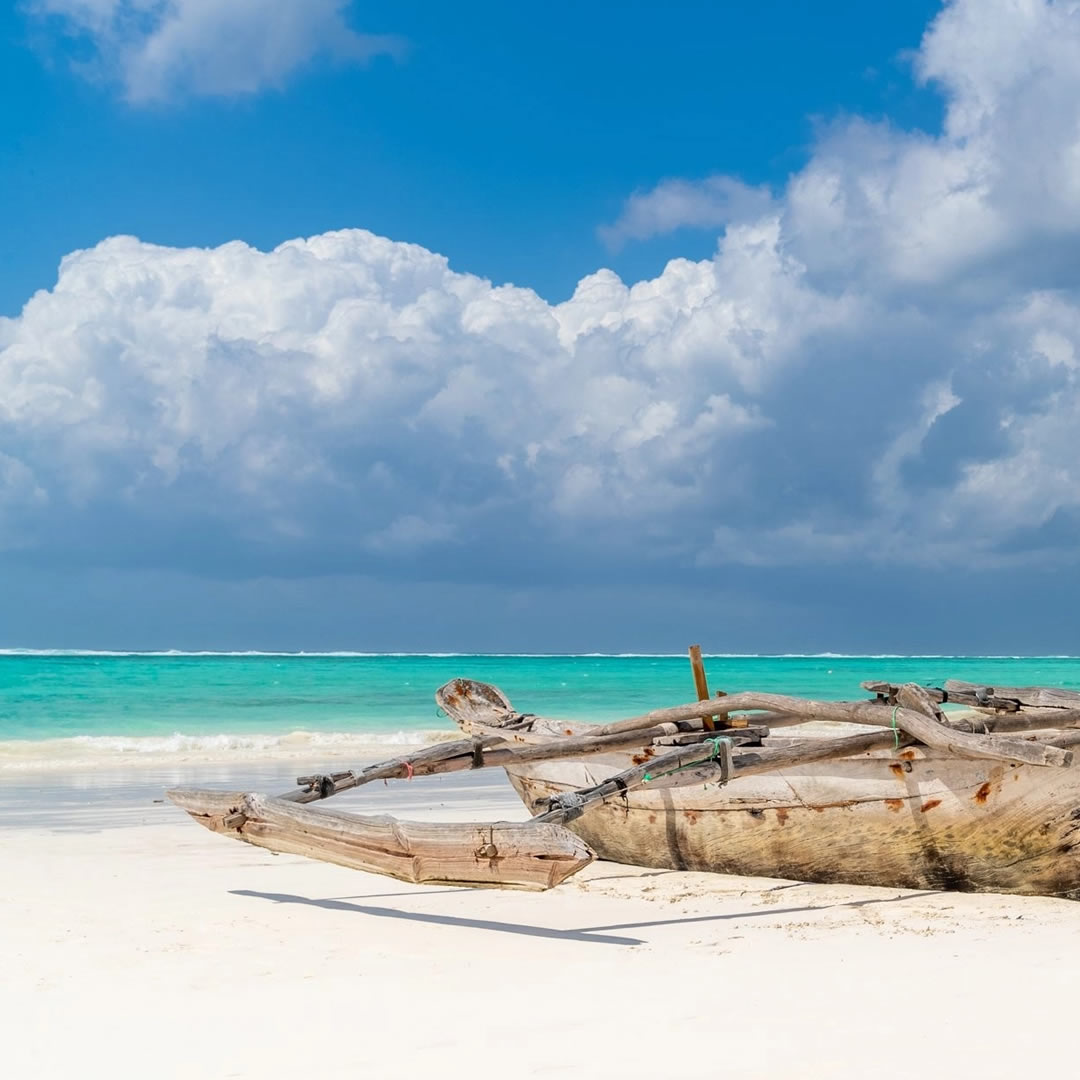
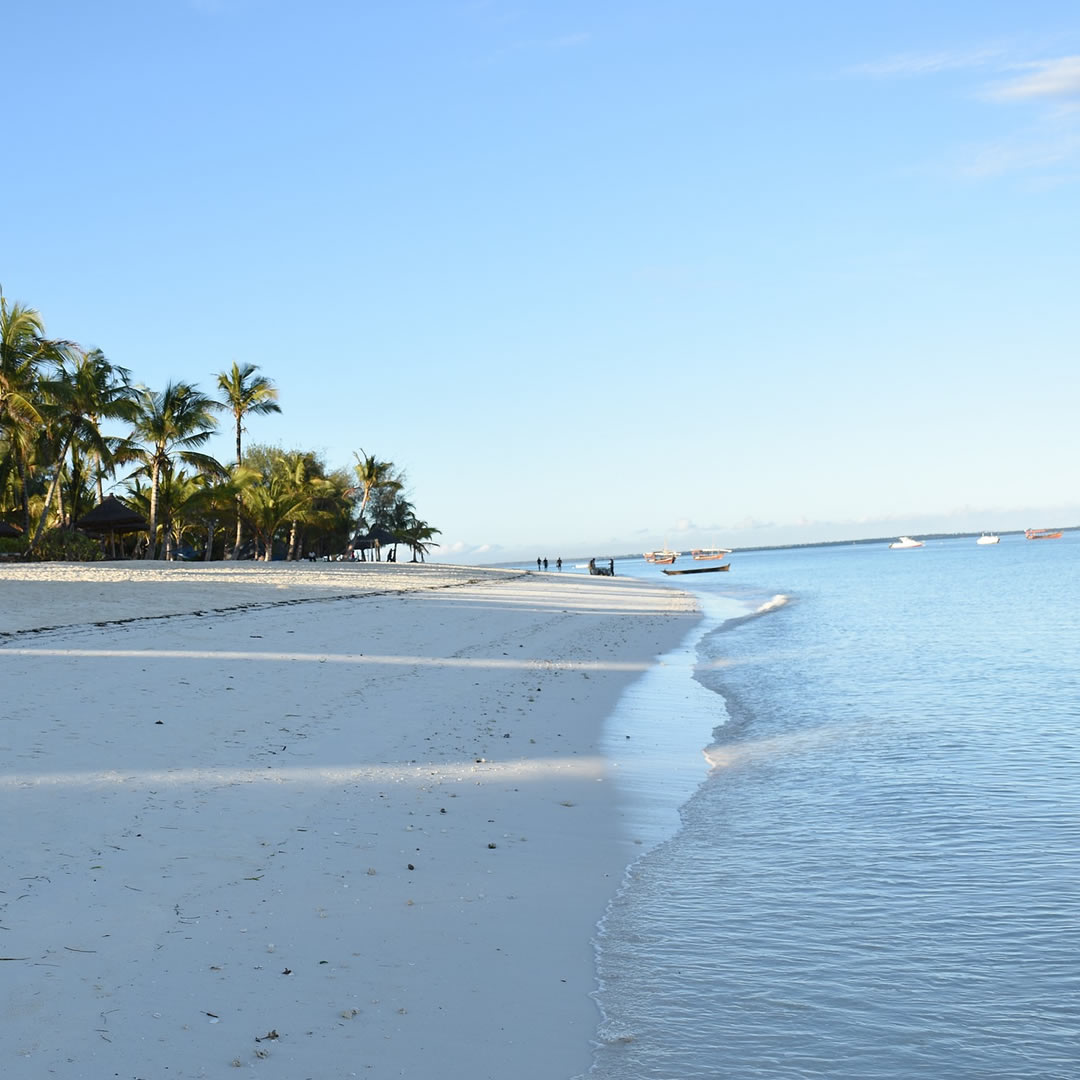
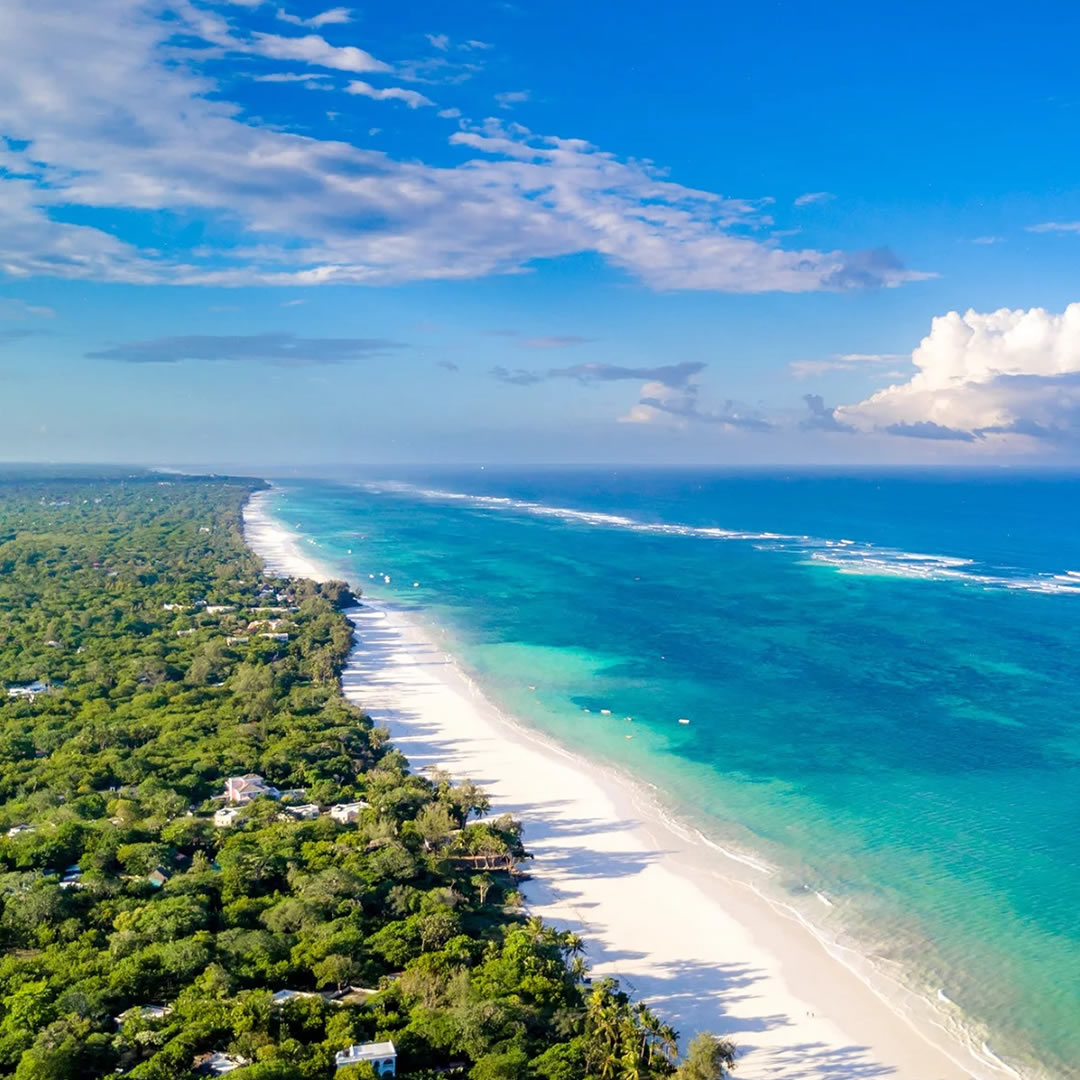
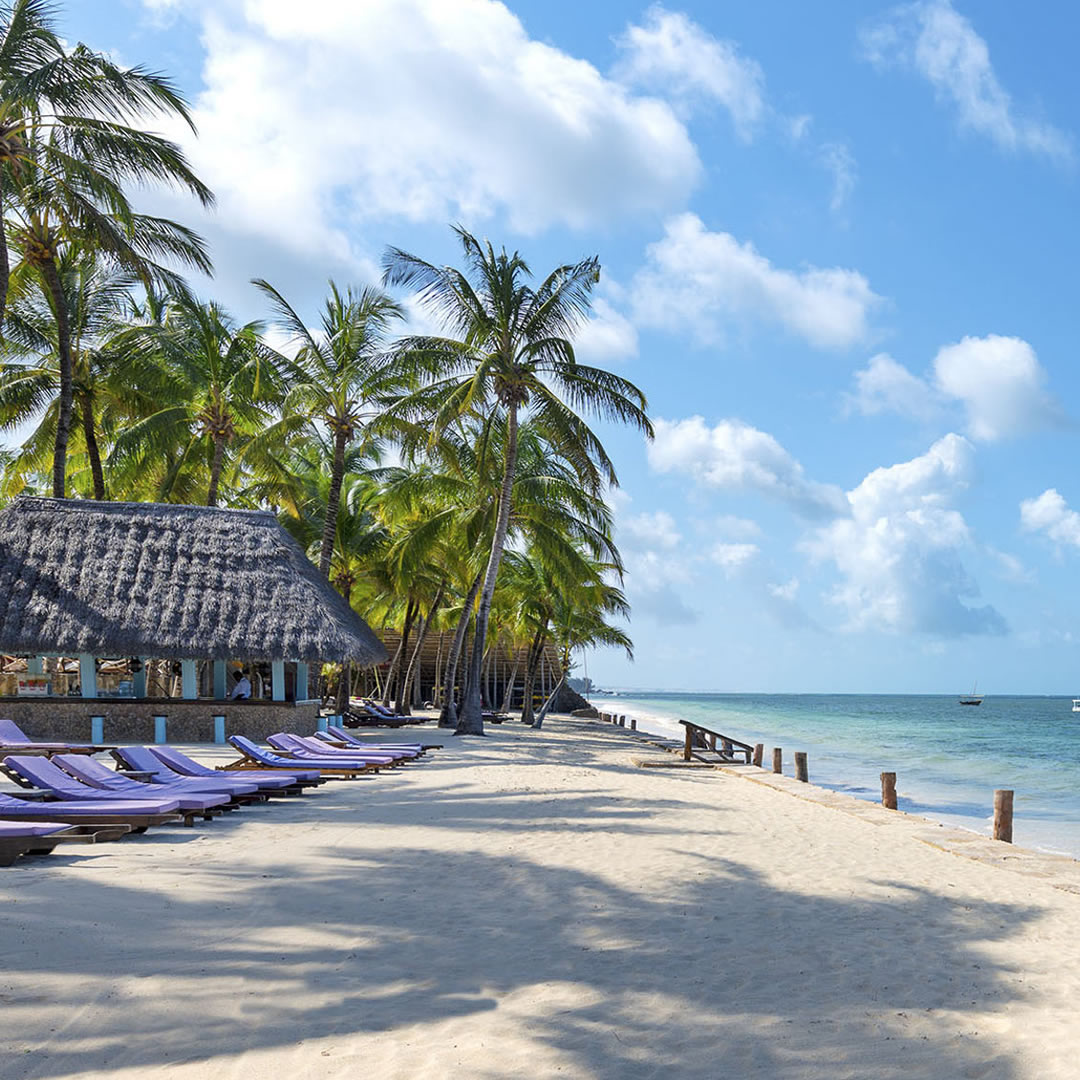
Silky white sands, warm turquoise waters and palm-lined streets; Diani is the sliver of paradise marking the border where the African continent meets the vast Indian Ocean. A beautiful tropical beach retreat, it's often added at the end of a safari in Kenya for a few days' relaxation. Located to the south coast of Kenya, Diani beach boasts a magnificent 25km stretch whose life blossoms into something the body feels as much as the soul. Her waters stretch out freely, flaunting white sands and smooth oceans waves welcoming the blue sky and sun rays to a celebration of freedom, love and great memories. It has an airstrip, making it accessible using direct flights from Jomo Kenyatta International Airport or Wilson Airport in Nairobi. Diani Beach was voted Africa’s leading beach destination six times in a row between 2013 – 2018.
The sea remains shallow near shore, with some underwater sandbars near the surface which allow wading with a clear view of the sandy bottom. The general area is known for its coral reefs, black-and-white colobus monkeys, and for the closely located Shimba Hills National Reserve a wildlife reserve which looks out over the Indian Ocean. Diani Beach has high-class restaurants, hotels, supermarkets, and several shopping centers.
Diani, and perhaps, the whole of Coastal Kenya is the believed to be the origin of East African Civilization. Little is known about Diani’s specific history but shreds of evidence suggest that her history can be traced back in the 8th Century AD. In the 9th century, the Indian and Arab traders started to mingle with the indigenous population to create the unique Swahili cultures, much of which is still thriving until this day. During this period, the whole Coastal region of Kenya enjoyed a golden age of trade. In the 15th Century, the Portuguese arrived at the Kenyan Coast and effectively dominated the region for 2 centuries after which the Oman Arabs took over. At the turn of the 19th century, the British established a foothold and declared the coast a British Protectorate. Jadini Beach Hotel was the first tourist hotel to be built in Diani beach back in 1937. It was formerly a cottage. Trade Winds and Two Fishes followed later as tourism took off in Diani.
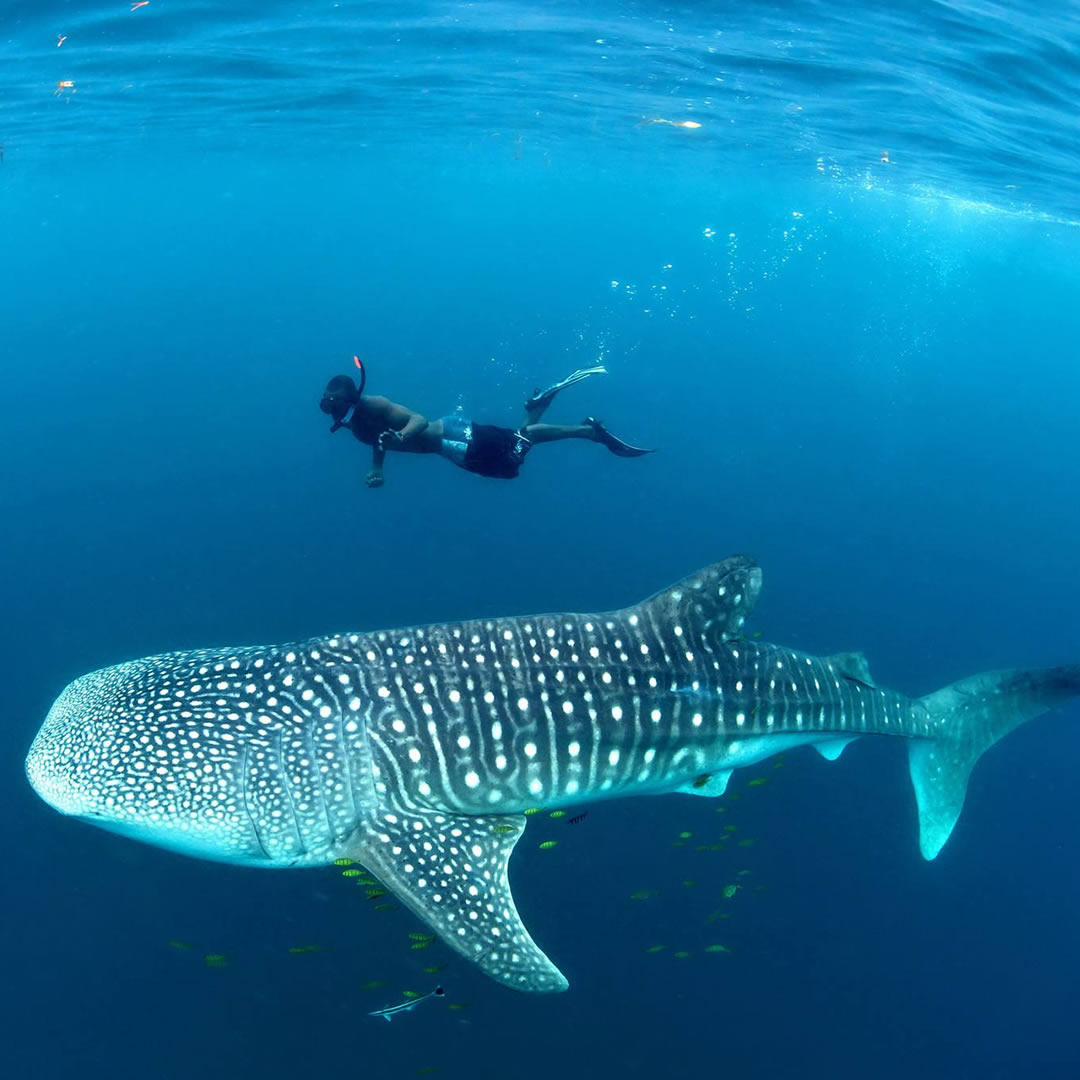
Marine parks have been established all along Diani Beach - these are areas of protected waters that conserve marine life and the ecosystem. They're well worth a visit, and a great place for snorkelling and diving. Kenya is one of the few places in the world where reef sharks are seen frequently. These waters are also home to the endangered Green and Hawksbill turtles which can be seen whilst exploring under the surface. When visiting, remember to bring an underwater camera! Diani Beach is one of the greatest water sports destinations in East Africa. Kayaking, jet-skiing, windsurfing, kitesurfing, paddleboarding and scuba-diving are all possible - whatever your pace or skill level, you'll find something to experience at Diani.
Sky Diving: Diani beach offers some of the finest scenery in the world and skydiving onto the beach has become a large attraction amongst tourists who want to see the landscape from a birds-eye view at 12,000 ft.
Deep-Sea Fishing: The availability of fish depends on the season, temperature and bait available. For most fish, the best months to take this trip is between September to April.
Glass Boat Tours: An incredible day out for those who prefer to stay dry but still want to experience the vast ecosystem. Sail on a glass-bottom boat and see schools of colourful fish swim beneath you. Learn from guides about marine life and the local myths of the Indian Ocean.
There are five main species of primates living in the Diani area: yellow baboon, Angolan Colobus, vervet money, the Sykes monkey and bush-babies. These can be spotted all around the region. The Angolan Colobus is a rare species in Kenya. More than 400 have been identified in the Diani area, one of the highest concentrations in the country.
The Colobus Conservation team have worked hard to ensure the protection of the species by providing food, a safe environment and protection from pouching. Dolphins, sharks, sea turtles, and whales are often spotted in the deep blues off the Kenyan coast.